
In a significant attempt to strengthen rural livelihoods and deepen women’s participation in the village economy, the government of Himachal Pradesh is preparing to launch the “Mukhya Mantri Mahila Sashaktikaran Yojana”, a scheme aimed at supporting women-led self-employment ventures across the state’s rural landscape.
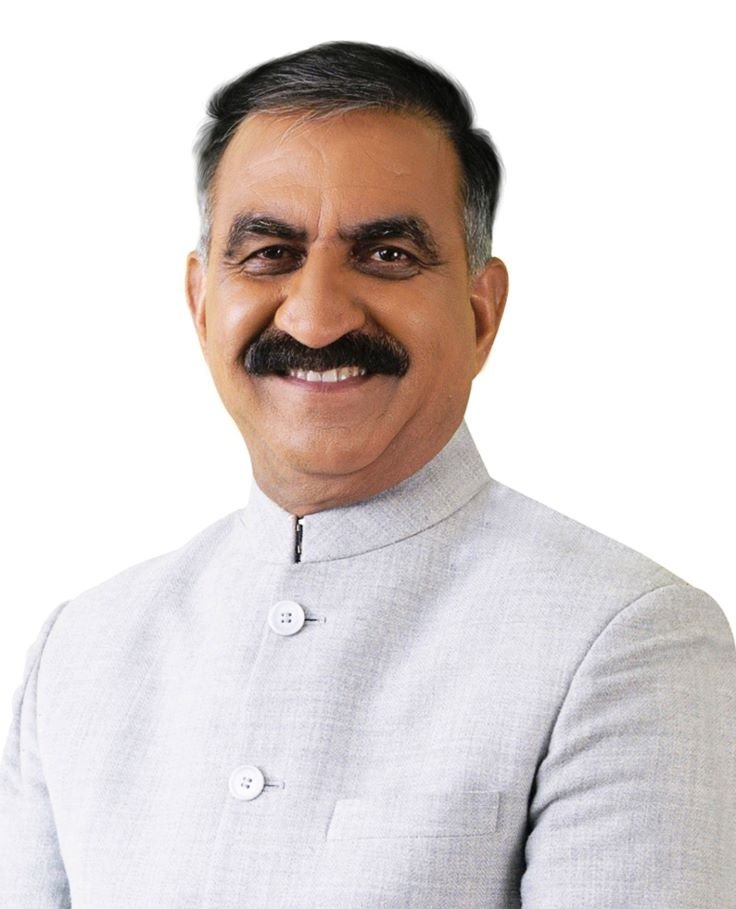
The initiative, announced in line with the state budget commitments, reflects the broader strategy of the Congress government under Chief Minister Sukhvinder Singh Sukhu to build a rural economy driven not only by subsidies, but by local enterprise, agriculture-linked industries and women-led entrepreneurship.
Under the proposed scheme, women from rural households with an annual family income of less than ₹1 lakh will be eligible for institutional financial assistance to establish self-employment units. Through the Himachal Pradesh Women Development Corporation, scheduled banks will provide loans of up to ₹3 lakh for businesses linked to dairy farming, poultry, beekeeping, tailoring, food processing, beauty parlours, boutiques and other small-scale enterprises connected to agriculture and allied sectors.
In a move designed to make borrowing more accessible for low-income rural women, the state government will bear four percent of the interest burden on these loans.
The scheme comes at a time when Himachal Pradesh is attempting to address multiple challenges facing its rural economy, including migration, shrinking agricultural returns and limited non-farm employment opportunities in villages. Officials believe women-led enterprises could become a key pillar in sustaining rural incomes and generating local economic activity.
Speaking about the initiative, the Chief Minister said the government views women not merely as beneficiaries of welfare schemes, but as central participants in the state’s economic transformation. He said women already play a critical role in agriculture, dairy farming and household economies across Himachal Pradesh, and the new policy framework is intended to make them financially independent and socially empowered.
According to the government, the empowerment programme is part of a wider economic restructuring effort that seeks to strengthen village-level production systems while encouraging self-reliance in rural areas.
Over the past several months, the state administration has introduced a series of measures aimed at increasing rural incomes through support prices and incentives linked to agriculture and dairy farming. The government has significantly increased procurement prices for milk, raising the purchase rate of cow milk from ₹51 to ₹61 per litre and buffalo milk from ₹61 to ₹71 per litre.
In addition, under the Milk Incentive Scheme, farmers who directly deliver milk to procurement centres are receiving an incentive of ₹3 per litre, while milk transport subsidies have also been increased by ₹1.50 per litre.
The government has simultaneously attempted to position natural farming as a viable economic model for hill farmers. Minimum Support Prices for naturally grown crops have been revised upward in a major way, with wheat support prices rising from ₹60 to ₹80 per kilogram, maize from ₹40 to ₹50 per kilogram and raw turmeric from ₹90 to ₹150 per kilogram.
For the first time, the state has also introduced a support price of ₹30 per kilogram for ginger — a move being viewed as an effort to diversify agricultural incomes in hilly regions where traditional farming margins have steadily narrowed.
Another important step announced by the government is the formation of a Rajya Kisan Aayog, intended to provide farmers with a more direct role in agricultural policymaking and long-term rural planning.
Political observers note that the Sukhu government is increasingly attempting to shape a governance narrative centred on rural sustainability, local production and income security at a time when Himachal Pradesh continues to face financial constraints and rising expenditure pressures.
The administration has argued that strengthening the rural economy is essential not only for economic growth but also for social stability in a hill state where a large section of the population remains dependent on agriculture, horticulture and livestock-based livelihoods.
The Chief Minister said the government’s long-term objective is to make Himachal Pradesh economically self-reliant by empowering those living at the grassroots level of society. According to him, real development is reflected in the prosperity of people in villages and remote areas rather than in urban-centric growth alone.
He said the government’s approach goes beyond conventional welfare distribution and instead focuses on building an ecosystem where agriculture, dairy farming and rural entrepreneurship become dignified, sustainable and economically rewarding professions for both women and youth.
For many rural families in Himachal Pradesh, particularly women who have traditionally remained outside formal economic structures despite contributing substantially to household livelihoods, the proposed scheme could represent more than just financial assistance. It may also signal a gradual shift towards recognising women as independent economic stakeholders in the state’s rural transformation story.