
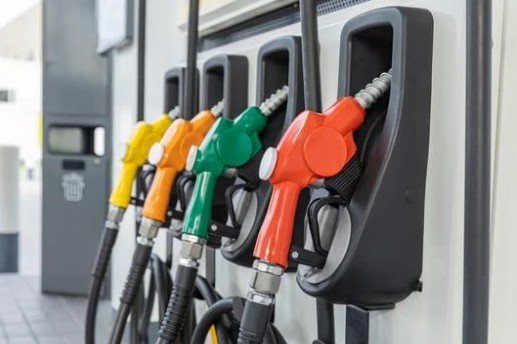
A growing sense of uncertainty is beginning to spread across Himachal Pradesh as rising fuel prices, fears of supply disruptions and increasing public anxiety combine to create what many now see as an emerging economic and logistical challenge for the hill state. In Shimla, petrol prices have climbed beyond Rs 99 per litre while diesel is nearing Rs 91, placing additional strain on households already grappling with inflation and rising transportation costs.
But beyond the price rise itself, it is the fear of scarcity that is now driving public behaviour. Across several fuel stations in urban and semi-urban areas, long queues of vehicles have begun appearing as residents rush to fill their tanks amid concerns that supplies may tighten further in the coming days. The atmosphere in many places reflects caution turning gradually into panic.
Industry sources and fuel traders have indicated that petroleum supply in the region is currently under pressure due to international geopolitical tensions and disruptions in global energy logistics. The impact is being felt more acutely in a mountainous state like Himachal Pradesh, where transportation networks are vulnerable and fuel availability in remote districts depends heavily on uninterrupted tanker movement from plains-based depots.
The situation has raised concerns not only for ordinary commuters but also for agriculture, tourism, transport services and essential supply chains. In rural Himachal, where daily life depends heavily on road connectivity and diesel-powered transportation, even a minor supply disruption can quickly affect farming activity, local markets and movement of essential goods.
Fuel stations in several parts of the state are reportedly witnessing unusually high demand as people increasingly opt for full-tank refuelling. Such behaviour, while understandable during uncertain times, may place further pressure on already stretched supply systems. In remote hill regions with limited storage capacity, even temporary panic buying could lead to local shortages and operational difficulties.
The concern is not limited to petrol and diesel alone. There are also growing discussions around possible stress on domestic LPG supply chains if international energy tensions continue. For many households in Himachal, especially in colder and remote areas, cooking gas remains a basic necessity rather than a convenience. Any disruption in supply could therefore have deeper social consequences.
Economically, the impact is expected to ripple across sectors. Rising diesel prices directly affect public transport, goods carriers, agriculture machinery and tourism services — all of which form crucial pillars of Himachal Pradesh’s economy. Farmers fear increased cultivation costs, while transport operators worry that another prolonged fuel surge could make operations financially unsustainable. Small businesses dependent on daily logistics are also beginning to feel the pressure.
The tourism industry, one of the state’s largest economic drivers, may also face indirect consequences if travel costs continue to rise sharply. Himachal’s economy relies significantly on seasonal tourist movement, and any perception of fuel scarcity or unstable transport conditions could affect visitor confidence during the peak travel season.
What is increasingly visible, however, is a broader public realisation that fuel conservation may no longer remain merely an environmental slogan but an economic necessity. Conversations around avoiding unnecessary travel, reducing non-essential vehicle use and encouraging shared transportation are beginning to emerge more strongly in public discourse.
Experts believe that states like Himachal Pradesh, because of their geographical limitations and dependence on external fuel supply chains, remain particularly sensitive to global oil disruptions. Any prolonged instability in international crude markets or further escalation in geopolitical conflicts could place additional stress on mountain economies already dealing with inflationary pressures.
There is also a growing expectation that authorities may need to strengthen coordination between oil companies, transport agencies and district administrations to avoid panic and ensure uninterrupted supply in vulnerable areas. Public communication, transparency in supply status and discouraging hoarding could become critical in maintaining calm.
For now, fuel remains available across the state, but the mood on the ground reflects caution rather than confidence. In a hill state where connectivity, mobility and daily life are deeply tied to fuel access, even the perception of scarcity can quickly transform into a larger public concern.
As global uncertainties continue to influence local realities, Himachal Pradesh may be entering a period where energy discipline, responsible consumption and efficient public planning become essential not just for economic stability, but for maintaining social balance in the months ahead.