

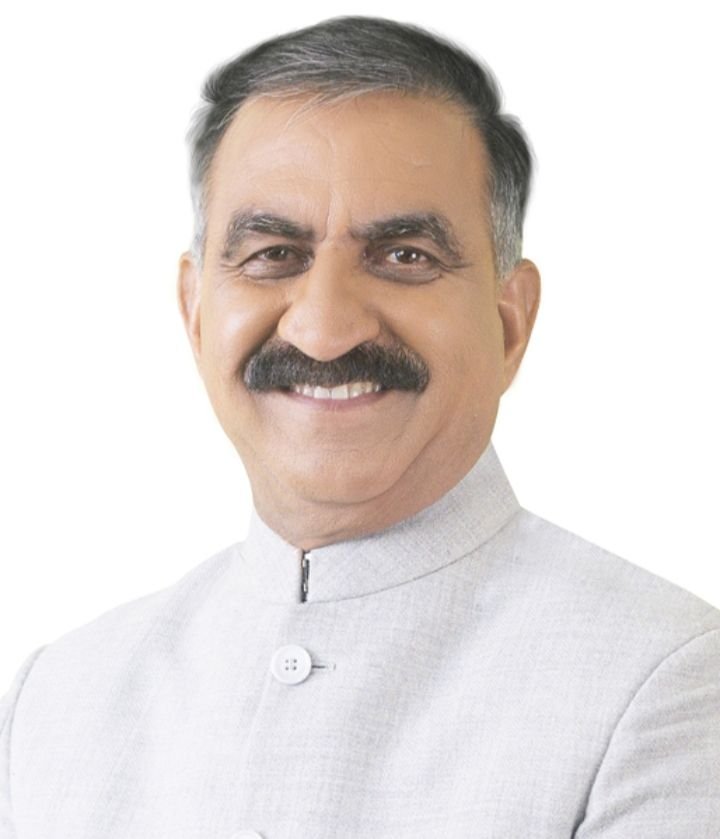
The Himachal Pradesh government has announced a major step towards cleaner transport and employment generation by deciding to replace petrol-run taxis with electric vehicles in a phased manner. Chief Minister Thakur Sukhvinder Singh Sukhu took this decision while chairing a review meeting of the Transport and Labour and Employment Departments, underlining the state’s commitment to environmental protection and sustainable livelihoods.
In the first phase of the transition, 1,000 petrol taxis operating across the state will be replaced with electric taxis. This move will be implemented under the Rajiv Gandhi Start-up Scheme. To support taxi owners during this transition, the state government will provide a subsidy of 40 percent on the purchase of electric vehicles. The Chief Minister directed the Transport Department to complete all required procedures without delay so that the benefits of the scheme reach people at the earliest.
The government has also decided that the petrol taxis being replaced will be scrapped at authorised and registered centres. This measure is aimed at ensuring that old and polluting vehicles are permanently removed from the roads, contributing to improved air quality, especially in urban areas and eco-sensitive regions of the state.
Alongside the push for electric taxis, the state government is focusing on strengthening transport services in rural and remote areas. The Chief Minister announced that permits will be issued for private bus operations on 390 routes that currently lack adequate connectivity. To encourage participation, the government will offer a subsidy of 30 percent for these services. This initiative is expected to improve access to education, healthcare and markets for rural residents, while also creating new employment opportunities for local youth.
The Chief Minister stated that the transition to electric mobility is a key part of the state’s broader environmental strategy. Reducing dependence on petrol and diesel vehicles will help cut emissions and support Himachal Pradesh’s long-term climate goals. At the same time, linking electric vehicle adoption with employment schemes ensures that economic growth and environmental responsibility move forward together.
Under the larger Rs. 680-crore Rajiv Gandhi Start-up Scheme, special emphasis is being placed on self-employment and youth empowerment. Subsidies are being provided to encourage young entrepreneurs to invest in electric taxis. In addition, under the Rajiv Gandhi E-Taxi Scheme, eligible youth receive a subsidy of up to 50 percent, along with an assurance that their vehicles will be deployed with government departments. This model offers financial security and steady income, making self-employment a more viable option.
The Chief Minister reiterated that such initiatives are designed not only to modernise the transport sector but also to make young people self-reliant and confident participants in the state’s development journey. He stressed that coordination between departments and timely implementation would be crucial for the success of these schemes.
Senior ministers and officials attended the meeting, reflecting the government’s focus on closely monitoring progress and resolving challenges at the administrative level. With this integrated approach, the state aims to build a cleaner transport system, expand rural connectivity, and create sustainable employment opportunities across Himachal Pradesh.