

Saptrishi।
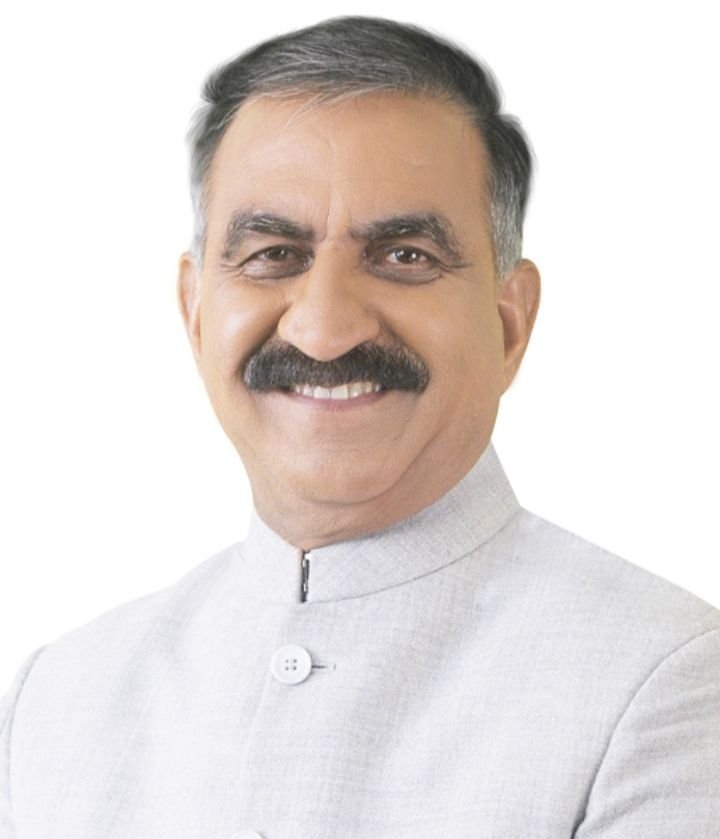
The Himachal Pradesh government, under the leadership of Chief Minister Thakur Sukhvinder Singh Sukhu, has significantly strengthened its commitment to social justice and welfare by clearing a large number of compassionate employment cases across departments. Official data for the period from October 1, 2025 to December 31, 2025 reflects a decisive administrative push aimed at providing dignity, security and livelihood to families that lost their primary earners and were pushed into vulnerability.
According to the compiled departmental figures, as many as 980 compassionate employment cases were cleared and approved during this three-month period. Of these, 366 appointments were made in Class-III posts, while 614 were approved in Class-IV categories. The scale and spread of these approvals underline the government’s intent to ensure that bereaved and underprivileged families are not left to fend for themselves in times of crisis.
The Jal Shakti Department emerged as the largest contributor to this initiative, clearing a total of 419 cases, including 100 Class-III and 319 Class-IV appointments. This was followed by the Education Department, which approved 128 cases, with 108 appointments in Class-III and 20 in Class-IV. The Public Works Department also played a major role by clearing 175 cases, including 15 Class-III and 160 Class-IV posts, reflecting the department’s extensive manpower needs and its role in absorbing affected families into public service.
The Police Department approved 52 compassionate appointments, all in Class-III posts, while the Health Department cleared 34 cases, including 23 Class-III and 11 Class-IV positions. Departments such as Animal Husbandry approved 56 cases, Agriculture cleared 9, and Ayush approved 14 cases, showing that the compassionate employment drive was not limited to a few sectors but implemented across the administrative spectrum.
Other departments also contributed meaningfully. Fire Services and Home Guards approved 23 cases, Rural Development cleared 6, Revenue approved 14, and Urban Development cleared 20 cases evenly split between Class-III and Class-IV posts. Smaller but significant approvals were also made by departments such as Horticulture, Prison, Women and Child Development (SJE WCD), HRTC, Tribal Development, Prosecution and HPTDCi, ensuring that compassionate employment reached families across varied administrative domains.
This employment initiative aligns with the broader welfare philosophy of the Sukhu government, which has consistently positioned governance around empathy, inclusion and social responsibility. One of the most notable steps in this direction has been the launch of the Sukh ashraya scheme, under which the state has taken responsibility for children who have lost both parents. Under this initiative, the government ensures education, healthcare, shelter and overall care, effectively becoming the guardian of these children. The compassionate employment approvals further complement this vision by addressing the immediate livelihood needs of affected families.
By clearing nearly a thousand cases in a defined timeframe, the government has sent a strong message that welfare policies are not merely announcements but are being translated into concrete outcomes. Compassionate employment, often delayed due to procedural hurdles, has been given administrative priority, ensuring timely relief to families facing emotional and financial distress.
The figures also reflect a balanced approach, with opportunities extended across Class-III and Class-IV categories, allowing families with varying educational qualifications to benefit. This inclusiveness is particularly significant in a hill state like Himachal Pradesh, where government employment continues to be a critical pillar of economic stability for many households.
Overall, the compassionate employment drive reinforces Chief Minister Sukhvinder Singh Sukhu’s image as a leader focused on the welfare of the underprivileged and downtrodden. Through structured schemes like Sukhashraya and decisive administrative actions such as large-scale compassionate appointments, the state government is steadily building a governance model rooted in human sensitivity, social equity and long-term support for its most vulnerable citizens.