
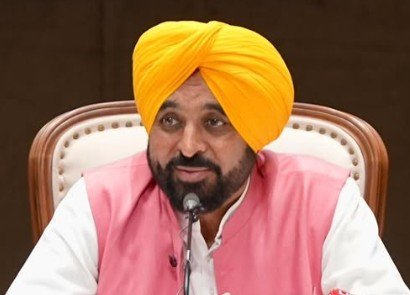
Chandigarh: As geopolitical tensions intensify across the Gulf region and critical maritime trade routes face disruptions, Bhagwant Singh Mann has raised serious concerns over the potential economic fallout for India, calling for urgent and proactive intervention by the Centre. Positioning the issue as one with far-reaching national implications, the Punjab leadership has urged Narendra Modi to leverage India’s global diplomatic relationships to help de-escalate tensions and protect the country’s strategic and economic interests.
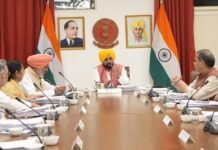
The remarks come in the backdrop of a high-level virtual interaction convened by the Prime Minister with Chief Ministers of various states to assess the evolving international situation and its domestic impact. During the discussion, Punjab highlighted its unique vulnerabilities, pointing out that while coastal states may be directly affected by disruptions in maritime trade, landlocked states like Punjab are equally exposed due to their dependence on agriculture, logistics networks, and industrial supply chains.
Underscoring the urgency, the Chief Minister emphasized that the unfolding crisis in the Gulf—an area critical to global energy supplies and shipping corridors—has already begun to trigger uncertainty in international markets. Any prolonged instability, he noted, could disrupt fuel imports, inflate transportation costs, and strain supply chains that are vital for India’s economy. For a state like Punjab, which is currently entering a crucial agricultural procurement cycle, such disruptions could have immediate and tangible consequences.
With wheat procurement season underway, the state government has expressed concern over the uninterrupted availability of petrol and diesel. The Chief Minister cautioned that any shortfall in fuel supply could directly impact farm operations, mandi logistics, and the broader procurement process, potentially affecting both farmers’ incomes and the national food supply chain. Punjab, being one of India’s key grain-producing states, plays a pivotal role in ensuring food security, making the stability of its supply systems a matter of national importance.
In his intervention, the Chief Minister also drew attention to India’s global positioning, arguing that the country must translate its diplomatic outreach into tangible outcomes during times of crisis. Referring to India’s aspirations of emerging as a global leader, he suggested that such ambitions must be backed by decisive action, particularly when international conflicts threaten domestic stability.
The leadership from Punjab has called for a coordinated national response that includes diplomatic engagement, strategic planning, and robust contingency measures. Ensuring stable fuel supplies, maintaining trade flows, and insulating domestic markets from global volatility were identified as immediate priorities. The state has also advocated for close monitoring of supply chains and proactive steps to prevent panic or speculation in essential commodities.
The broader concern reflects a growing recognition among states that global geopolitical developments are increasingly intertwined with local economic realities. Rising tensions in energy-rich regions such as the Gulf can have cascading effects, influencing everything from inflation and industrial output to agricultural logistics and consumer prices.
While the Centre has yet to outline a detailed response following the consultations, the issue is expected to remain high on the policy agenda in the coming weeks. For Punjab, the focus remains on ensuring that external shocks do not derail critical sectors, particularly agriculture, which sustains millions of livelihoods.
As international uncertainty continues to evolve, the call from Punjab underscores a larger national challenge—balancing global diplomacy with domestic preparedness. The coming days will be crucial in determining how effectively India navigates this complex intersection of foreign policy and economic resilience, and whether timely interventions can shield states from the ripple effects of global instability.