
Himachal Pradesh’s thriving tourism industry, long regarded as a cornerstone of its economy, is now presenting a new set of challenges as the state grapples with the consequences of over-tourism. The surge in visitor numbers, particularly during peak seasons, has placed considerable strain on infrastructure, prompting the government to reassess its approach to tourism management.
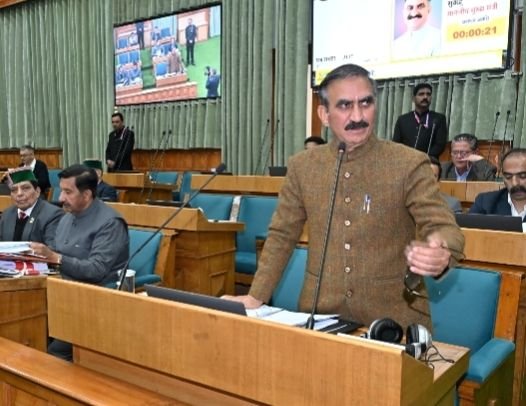
Chief Minister Sukhvinder Singh Sukhu has acknowledged the issue, noting that road networks and public amenities are under increasing pressure. Popular destinations such as hill stations and religious sites are experiencing congestion, environmental degradation, and resource shortages.
While tourism continues to generate significant revenue and employment opportunities, the lack of adequate planning has raised concerns about long-term sustainability. Experts warn that unchecked growth could lead to irreversible environmental damage, undermining the very appeal that attracts visitors to the state.
In response, the government has announced plans to upgrade infrastructure, including road networks and traffic management systems. Additional police deployment and administrative measures are being planned to ensure smoother operations during peak tourist seasons.
At the same time, efforts are being made to diversify tourism offerings by promoting lesser-known destinations and investing in religious tourism. These initiatives aim to distribute tourist inflow more evenly and reduce pressure on traditional hotspots.
However, the challenge lies in balancing economic growth with environmental conservation. The absence of scientific studies on carrying capacity and the limited implementation of regulatory frameworks have been identified as key gaps.
The debate around over-tourism reflects a broader shift in development priorities. As Himachal Pradesh seeks to position itself as a sustainable tourism destination, the focus is gradually moving towards responsible tourism practices, including waste management, eco-friendly infrastructure, and community participation.
The government’s response to this challenge will play a crucial role in shaping the future of the tourism sector. By adopting a holistic and forward-looking approach, Himachal Pradesh has the opportunity to transform its tourism model into one that is both economically viable and environmentally sustainable.