
Deputy Commissioners directed to clear political publicity material from government buildings and electricity poles; move brings focus on electoral neutrality ahead of the 2027 Assembly polls
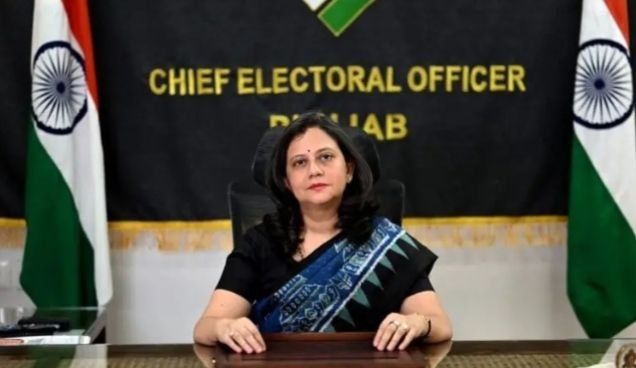
With Punjab moving towards its next Assembly elections, the Chief Electoral Officer (CEO) has reportedly directed all Deputy Commissioners across the state to remove promotional posters featuring political leaders from government buildings and electricity poles.
The directive is aimed at keeping public spaces free from political publicity and ensuring that government premises do not become platforms for promoting individual leaders or political parties as the state prepares for the next electoral contest.
The instruction places district administrations at the centre of the exercise, with Deputy Commissioners expected to ensure compliance in their respective jurisdictions. Removing unauthorised political material from public property is also intended to prevent the misuse of government infrastructure for political messaging.
Electoral neutrality in focus ahead of 2027
The move comes as political parties begin preparing for the 2027 Punjab Assembly elections, when the ruling Aam Aadmi Party, the Congress, the Shiromani Akali Dal and the Bharatiya Janata Party will seek public support on their respective records, policies and promises.
In this context, the visibility of political leaders on government premises can become a matter of public debate, particularly when publicity material appears to blur the distinction between government communication and party promotion. Maintaining a neutral public environment is therefore an important part of ensuring that electoral competition takes place on a fair footing.
The removal of posters alone, however, does not determine whether an election is fair. Electoral integrity also depends on the impartial functioning of the administration, accurate voter lists, adherence to campaign rules, transparency in political advertising and equal enforcement of the law across parties.
What the rules say
The Election Commission of India has established procedures for removing unauthorised political publicity from public and government property during elections. Its instructions provide for the removal of material from government premises within 24 hours of the announcement of elections, while unauthorised political advertisements on public spaces, including electricity poles, are generally covered by a 48-hour removal timeline after the announcement. Applicable local laws and other directions also remain relevant.
These provisions are part of the broader framework for enforcing election rules and preventing the misuse of public resources for partisan advantage. The precise scope and timing of the latest Punjab directive should be understood from the official communication issued by the Chief Electoral Officer. <Cite refs={[“turn737744search1″,”turn737744search15”]}/>
A test for district-level implementation
The effectiveness of the directive will depend on how consistently it is implemented across Punjab’s urban and rural areas. District administrations will need to ensure that the rules are applied uniformly, without favouring or targeting any particular political party.
The development also underlines the importance of distinguishing legitimate political campaigning from unauthorised use of public property. Political parties remain free to communicate their policies and seek public support through lawful means, but government infrastructure must be managed in accordance with the applicable rules.
As the 2027 Assembly elections approach, the key question will be whether the directive translates into consistent action on the ground. For voters, a neutral public environment can contribute to a more orderly electoral atmosphere, while transparent and impartial enforcement will be essential to maintaining confidence in the democratic process.
Note: The latest CEO Punjab directive could not be independently verified from an accessible official copy at the time of writing. The specific order is therefore attributed to the information provided, while the election-related removal timelines are based on published Election Commission instructions.