
Markets shut across several districts, highways blocked and toll collection disrupted as the activist’s family demands a CBI probe. Chief Minister Bhagwant Mann promises strict action, but the killing has intensified questions over the state’s fight against illegal drugs.
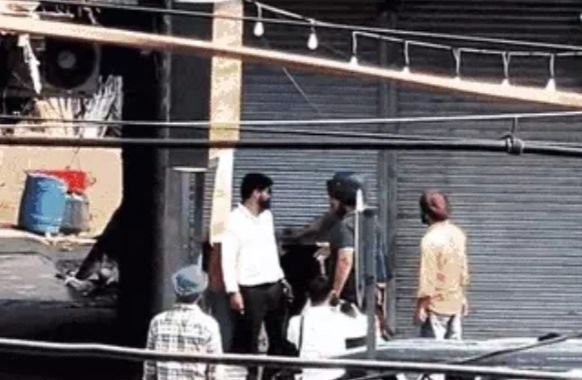
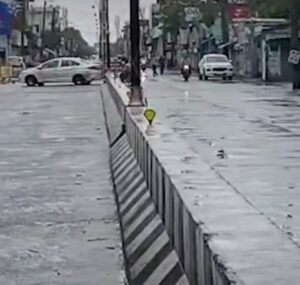
— Punjab witnessed widespread protests and a mixed-to-strong response to a statewide bandh on Thursday following the daylight killing of anti-drug activist Parvinder Singh Jhota in Mansa. Called by his father, Bhim Singh, and organisations demanding justice, the shutdown brought together Opposition parties, farmer unions, traders, social groups and activists, placing renewed pressure on the state government over drug trafficking, public safety and police accountability.
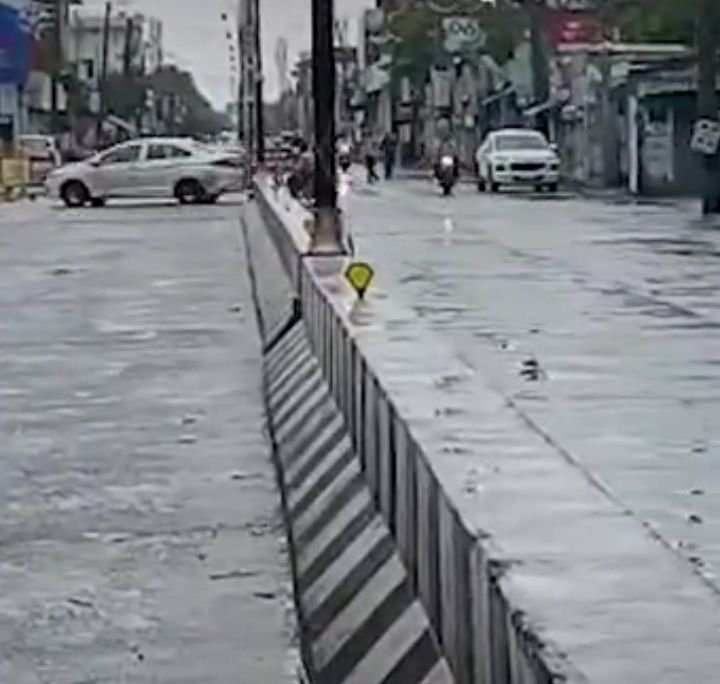
The bandh was scheduled from 6 am to 5 pm. While several districts witnessed extensive market closures, educational institutions shutting down and traffic disruptions on major roads, the impact varied by location. In Ludhiana, many city markets remained open, but protests at the Ladowal toll plaza disrupted normal operations, with protesting farmer groups allowing vehicles to pass without paying toll charges. Elsewhere, protesters blocked highways and key road junctions, affecting commuters and public movement. Private schools and colleges remained closed in several areas, while attendance at government schools was reported to be low.
The shutdown has become more than a protest over one criminal incident. It has evolved into a wider challenge to the government’s handling of Punjab’s persistent drug problem, with Jhota’s supporters arguing that people who confront alleged drug sellers must be protected rather than left vulnerable to violence.
A killing that has shaken Mansa
Jhota, a prominent campaigner against the alleged illegal sale of addictive substances, was shot dead on Tuesday, October 13, in Mansa. According to reports, he was livestreaming a confrontation with medical store owner Ashwani Kumar over the alleged sale of intoxicating medicines when the incident occurred. Jhota was 42.
The footage of the confrontation and shooting fuelled public anger. His family alleged that the killing was not an isolated act and demanded a thorough investigation into whether others were involved in a conspiracy.
Ashwani Kumar, the main accused, was arrested in Salasar, Rajasthan, within roughly 24 hours of the shooting and is facing murder charges. Police have also registered a case covering allegations including attempted murder and criminal conspiracy, alongside provisions of the Arms Act. The investigation is examining the circumstances of the shooting, the alleged involvement of others and the licensing details of the weapon used in the attack.
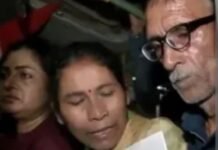
Jhota’s father, Bhim Singh, has refused to allow the last rites to be performed until the family’s demands for justice are addressed. He has sought a CBI investigation, a post-mortem examination by a medical board at PGIMER, Chandigarh, and the resignations of Chief Minister Bhagwant Mann and Director General of Police Gaurav Yadav.
The family has also demanded accountability from police and drug-control officials responsible for maintaining law and order and enforcing regulations against the illegal sale of intoxicating substances. It wants investigators to establish whom the main accused was speaking to on his phone shortly before the shooting and whether anyone else had a role in the crime.
Police action: SHO suspended, wife of accused and two others named
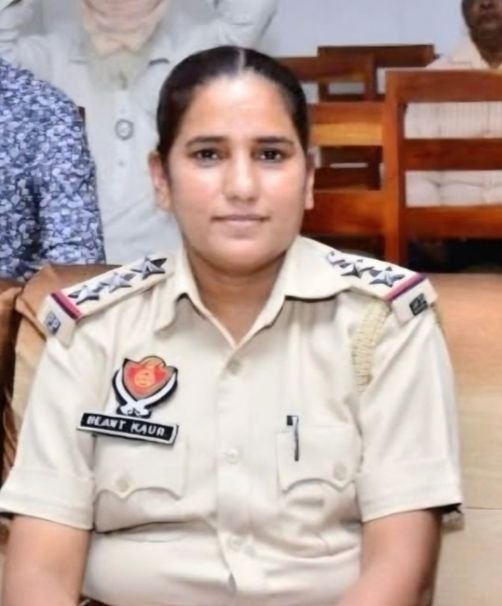
Amid mounting protests, the Mansa administration suspended City-2 police station SHO Inspector Beant Kaur on administrative grounds following allegations of police negligence. Senior Superintendent of Police Vaibhav Chaudhary confirmed the suspension.
Police have also named Neelam Rani, the wife of Ashwani Kumar, and two other individuals in the case because of their suspected roles, according to the SSP. Investigators are checking the licensing records of the pistol allegedly used in the shooting, including whose name it was issued under. The pharmacy where Jhota was shot was found to have a licence registered in Neelam Rani’s name, police said. Being named in the case does not by itself establish guilt; the allegations against each individual will have to be examined through the investigation and legal process.
The police response followed intense public pressure. Bathinda Range Deputy Inspector General Harjeet Singh also apologised after facing criticism for earlier remarks linking the murder to an old personal dispute. He withdrew those remarks, saying he had not intended to hurt the family and that the administration needed public cooperation.
These developments indicate that the authorities have begun taking action beyond the arrest of the main accused. But the public demand now extends to whether the investigation will identify every person involved, establish the motive and examine any possible lapses by officials.
Government promises strict action, but questions remain
Chief Minister Bhagwant Mann has promised the strictest possible punishment for those responsible and said that anyone found to have conspired in the murder would not be spared. He has directed the police chief to ensure a thorough investigation and appealed to the public to maintain peace. The main accused’s arrest within a day of the shooting has been cited by the government as evidence of a swift police response.
The government has also stepped up inspections of chemist shops and action against the illegal sale of habit-forming medicines. According to figures reported by *The Times of India*, the state’s drugs-control wing carried out 16,788 inspections between April 1, 2025, and September 30, 2026. Medicines valued at ₹20.6 crore were seized from 214 licensed and unlicensed firms over alleged violations; 520 chemists’ licences were suspended and 22 cancelled. These enforcement measures show that action has been taken, although the Jhota killing has renewed questions about how effectively existing safeguards are working on the ground.
The distinction is important. Inspections, seizures and suspensions are measurable enforcement steps, but they do not by themselves establish whether illegal supplies are being prevented from reaching vulnerable consumers or whether those who expose suspected violations can operate safely.
Punjab’s drug challenge involves more than street-level narcotics. The alleged misuse and unlawful sale of prescription and habit-forming medicines also require consistent monitoring, enforcement against offending sellers, checks on supply chains and coordination between police and the health and drugs-control departments.
A statewide protest, with political support across party lines
The bandh received support from the Congress, Shiromani Akali Dal, BJP, Akali Dal Waris Punjab De, farmer organisations including the Samyukta Kisan Morcha and Kisan Mazdoor Sangharsh Committee, and government employee unions. The breadth of participation reflects how the killing has brought together groups that often disagree politically but share concerns about the drug menace and public safety.
Protests and road blockades were reported across parts of Malwa, Doaba and Majha. Mansa and several neighbouring districts experienced extensive market closures, while traffic was disrupted on major routes in areas including Patiala and Jalandhar. At some locations, police intervened to clear roads and restore movement. The varying impact in Ludhiana, where many markets remained open despite the disruption at Ladowal, underlined that the bandh was widespread but not uniform.
The family’s refusal to cremate Jhota until its demands are addressed has added urgency to the confrontation. Its central demand is not simply for the main accused to face trial, but for the entire sequence of events and any possible wider involvement to be examined impartially.
Beyond the bandh: Punjab needs sustained action against drugs
The immediate task for investigators is to establish the facts of Jhota’s killing, examine the suspected roles of all those named in the case, verify the weapon’s licensing and determine whether any criminal conspiracy existed. Any allegations of police negligence must also be assessed through a fair and transparent process.
The broader challenge is equally pressing. A campaign against drugs cannot depend only on periodic raids or public announcements. It requires sustained action against illegal supply networks, effective regulation of pharmacies and prescription medicines, reliable intelligence, accountability for enforcement failures and support for people struggling with addiction.
The state must also ensure that citizens who report suspected drug trafficking or challenge illegal sales can approach the authorities without fear. Allegations of wrongdoing should be investigated through lawful channels, and public anger must not turn into mob violence or punishment outside the law.
Jhota’s killing has brought these issues into sharp focus. The bandh has shown the scale of public concern, while the arrest, the SHO’s suspension and the naming of additional suspects demonstrate that the investigation is moving forward. The decisive test, however, will be whether the authorities establish the full facts, secure accountability wherever evidence warrants it and translate the renewed attention into stronger action against the drug trade.
For Punjab, justice for Parvinder Singh Jhota and an effective response to the drug menace are now inseparable questions. The government has promised strict action. The public will judge that promise by the transparency of the investigation, the outcome of the legal process and whether people campaigning against drugs can feel safer in the state.