

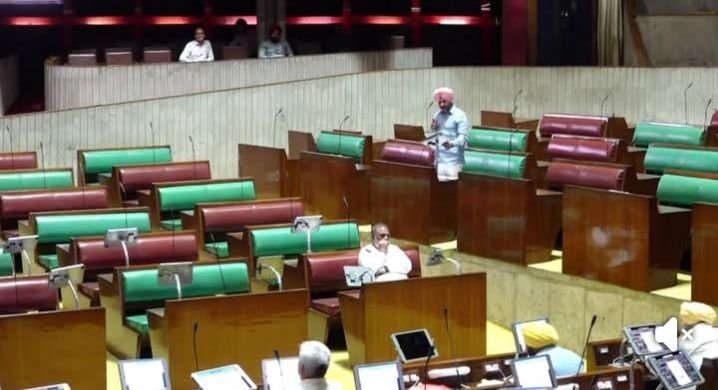
CHANDIGARH: Punjab is moving towards another crucial electoral milestone, with the five-year term of the 117-member Punjab Legislative Assembly scheduled to expire on March 16, 2027. As the deadline approaches, preparations for the next Assembly elections are gaining momentum, bringing the state’s political parties and election administration into focus.
According to the Election Commission of India’s official record, the present Assembly’s term runs from March 17, 2022, to March 16, 2027. The constitutional timeline makes the coming months significant for the state’s political landscape, with the next election expected to determine who will govern Punjab for the subsequent five-year term.
The Election Commission is responsible for conducting the Assembly elections and announcing the poll schedule. Although administrative preparations have begun, the precise dates for nomination filing, polling and counting will be confirmed through the Commission’s official announcement.
The approaching elections are also prompting preparations within the state administration. In October 2026, the Election Commission issued directions concerning the transfer and posting of officers involved in election management in Punjab and other poll-bound states. The instructions are intended to support impartial election administration, including restrictions on certain officers serving in their home districts or remaining in the same district beyond prescribed tenure limits.
Punjab’s next Assembly election is expected to be a major political contest, with parties preparing to present their records in government, policy priorities and promises to voters. The ruling Aam Aadmi Party will face the challenge of seeking another mandate, while opposition parties will have an opportunity to question the government’s performance and put forward alternative programmes.
Issues such as employment, agriculture, law and order, public services, healthcare, education, welfare schemes and the state’s financial position are likely to remain important subjects of political debate. The campaign will also test the ability of parties to connect their promises with voters’ expectations and concerns.
Alongside political campaigning, electoral administration will involve preparations relating to voter lists, polling personnel, security arrangements, polling stations and other logistical requirements. The Election Commission and the relevant state authorities will be responsible for ensuring that the election process is conducted in accordance with the Constitution, election laws and applicable guidelines.
With the Assembly’s term due to conclude in March 2027, the coming months will be important for Punjab’s political parties as they organise their campaigns and prepare for the electoral contest. The final timetable, however, will depend on the official notification issued by the Election Commission of India.
The March 16 deadline therefore provides a clear constitutional marker for the end of the present Assembly’s term, while the announcement of the election schedule will establish the formal timeline for Punjab’s next democratic contest.