

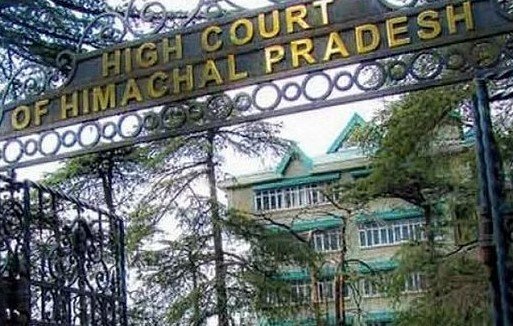
In a high-profile judicial development today, the Himachal Pradesh High Court expressed strong disapproval of the state government’s Principal Secretary (Finance) for allegedly defying explicit directives issued by the Supreme Court. The matter was brought before the High Court earlier this week, spotlighting rising tensions between judicial expectations and executive compliance in the state.
At the centre of the judicial admonishment is the government’s failure to clear outstanding payments owed to retired judges and their widows for domestic help and telephone expenses, as ordered by India’s apex court. The High Court came close to imposing a sentence for alleged “wilful defiance” of the Supreme Court injunction, underlining the seriousness with which the judiciary regards compliance with higher court judgments.
While the High Court stopped short of issuing actual punitive measures on Friday, the bench delivered a stern rebuke to the senior bureaucrat, pointing to the institutional necessity for unwavering obedience to binding court rulings. This episode is significant in Himachal’s political context, as it underscores ongoing friction between legal mandates and administrative action.
Legal experts observing the case noted that the High Court’s remarks could have far-reaching implications for governance in the state. “When the judiciary emphasises adherence to Supreme Court directives, it reflects not only on a single officer but on the broader administrative culture,” said one senior advocate. “This is a reminder that public accountability extends beyond political rhetoric to legal compliance.”
Reacting to the proceedings, opposition parties seized on the development to criticise the state government for what they term a “pattern of administrative inertia” and reluctance to implement principles of justice without prodding from the courts. Leaders from the BJP and other parties argued that the government’s delay in disbursing dues not only disrespects judicial authority but also harms the morale of public servants and retired officials.
The ruling Congress administration responded cautiously, asserting that procedural complexities and budgetary challenges contributed to delayed payments. A government spokesperson clarified that efforts were underway to meet legal obligations in an orderly manner while ensuring fiscal stability. The Times of India
This legal confrontation occurs against a backdrop of wider political debate in Himachal Pradesh over governance, fiscal management and institutional accountability — themes that are increasingly shaping public discourse and voter sentiment ahead of future elections.
Observers point out that judicial scrutiny of executive actions reinforces democratic checks and balances, especially in areas involving entitlements owed to senior citizens and public servants. It also puts a spotlight on the imperative for smoother coordination between the judiciary and executive branches in meeting citizens’ expectations of justice and administrative responsibility.
As the case progresses, attention will remain on how the state government responds to judicial expectations and the steps taken to reconcile legal obligations with administrative procedures. For now, the High Court’s pointed remarks serve as a significant moment in Himachal’s political-legal narrative.