

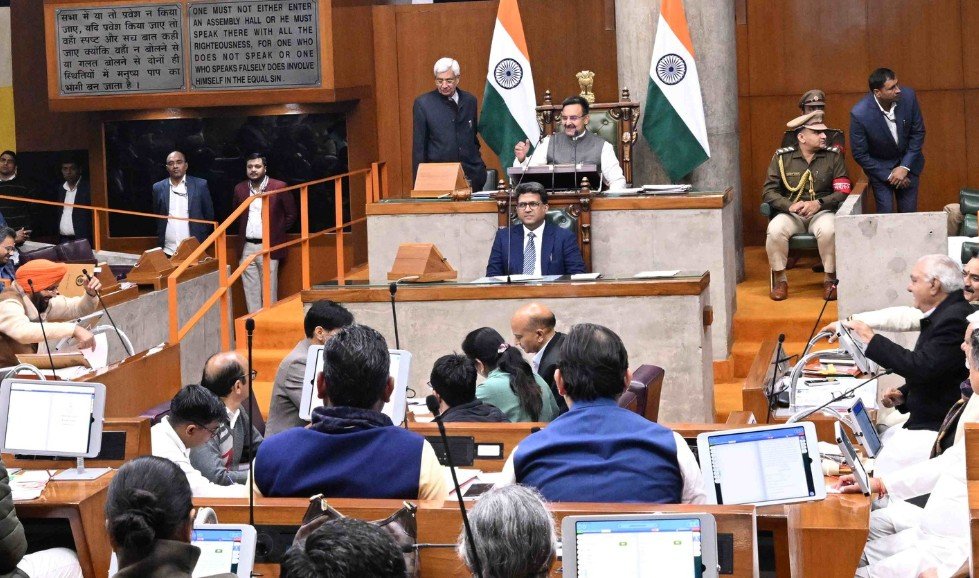
In a moment of bipartisan accord amid the otherwise fractious winter session, the Haryana Legislative Assembly unanimously passed a resolution commemorating the 350th martyrdom year of Sri Guru Tegh Bahadur Ji, the ninth Sikh Guru celebrated for his steadfast defence of religious freedom and dignity. Members across party lines rose in support of the resolution, reflecting a shared cultural respect that transcended day-to-day political contention.
The resolution outlined the historical legacy of Guru Tegh Bahadur Ji, emphasising his principled stand against coercion and his ultimate sacrifice to defend the rights of the oppressed. Assembly members invoked his teachings as foundational to India’s composite culture and a powerful reminder of the value of pluralism in public life. For Haryana, with its significant Sikh population and shared historical bonds, the resolution carried profound symbolic resonance.
Supporters of the resolution highlighted how acknowledging historical figures with broad appeal can serve as a unifying force. Legislators spoke of collective memory as an instrument of social harmony, citing the Guru’s emphasis on courage, compassion, and dignity as universal virtues that have shaped regional ethos. The passage of the resolution drew appreciative gestures from legislators of all parties, standing in sharp contrast to the intense contemporary political debates elsewhere in the session.
Political analysts noted that this rare moment of unanimity helped create a visual counter-narrative to the sharp partisanship dominating discussions on the no-confidence motion and other critical issues. It also offered a moment for reflection on the role of cultural heritage in modern governance—especially in a state where communal identities and secular values coexist in delicate balance. Legislators suggested that such resolutions not only reaffirm shared histories but can also inject a degree of civility into legislative cultures often marked by adversarial rhetoric.
This resolution, while symbolic, is expected to be accompanied by a suite of cultural commemorations and public programmes across Haryana in the coming months. State education and cultural departments are likely to promote initiatives, including exhibitions, seminars, and student engagement activities to deepen public awareness about Guru Tegh Bahadur Ji’s life and principles. Supporters argue these efforts will not only reinforce heritage appreciation but also encourage younger generations to internalize values of empathy and resilience.