

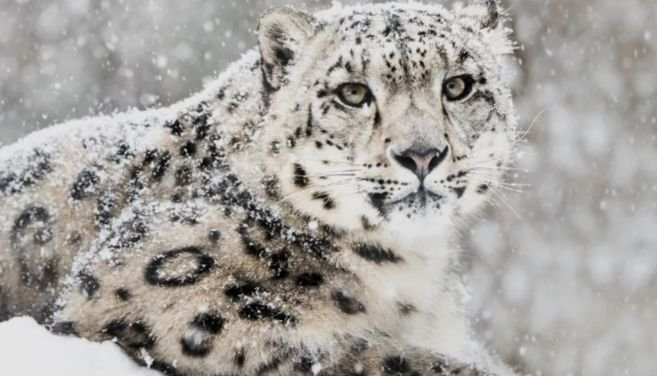
In a landmark conservation move, Himachal Pradesh has officially notified the **Tsarap Chu Conservation Reserve** in Lahaul-Spiti. Spanning nearly 1,585 sq km, the reserve is set to become a stronghold for snow leopards and rare Himalayan fauna that depend on the cold desert ecosystem.
The region, characterized by its stark valleys, sparse vegetation, and altitudes exceeding 4,500 meters, is one of the most ecologically fragile zones in India. Climate change, unregulated tourism, and grazing pressures have threatened species such as the snow leopard, ibex, blue sheep, Himalayan wolf, and numerous migratory birds.
The new conservation reserve aims to protect wildlife corridors that connect India with Tibetan plateau ecosystems. Local communities — primarily agro-pastoralists — will play a central role in managing grazing patterns, maintaining balance between livelihoods and conservation.
Officials say the reserve will also promote responsible ecotourism. Trails, homestays, and guided wildlife expeditions may generate additional income for local families while ensuring strict environmental safeguards. Researchers believe this reserve could significantly strengthen India’s position in the Global Snow Leopard Ecosystem Program.
The initiative comes at a time when rapid warming threatens glaciers and water sources in the region. Conservationists argue that protecting Tsarap Chu is not just about saving endangered species — it is about preserving a fragile ecosystem that supports life in the high Himalayas.