
An unusual administrative decision by the Himachal Pradesh government has triggered a sharp political and bureaucratic debate, raising uncomfortable questions about fairness, precedent and the perception of favouritism in the state’s governance. The appointment of a 2022-batch IAS officer as Additional Deputy Commissioner (ADC) Shimla, while several senior officers from the 2021 batch continue to serve as Sub-Divisional Magistrates (SDMs), has unsettled the administrative hierarchy and invited widespread scrutiny.
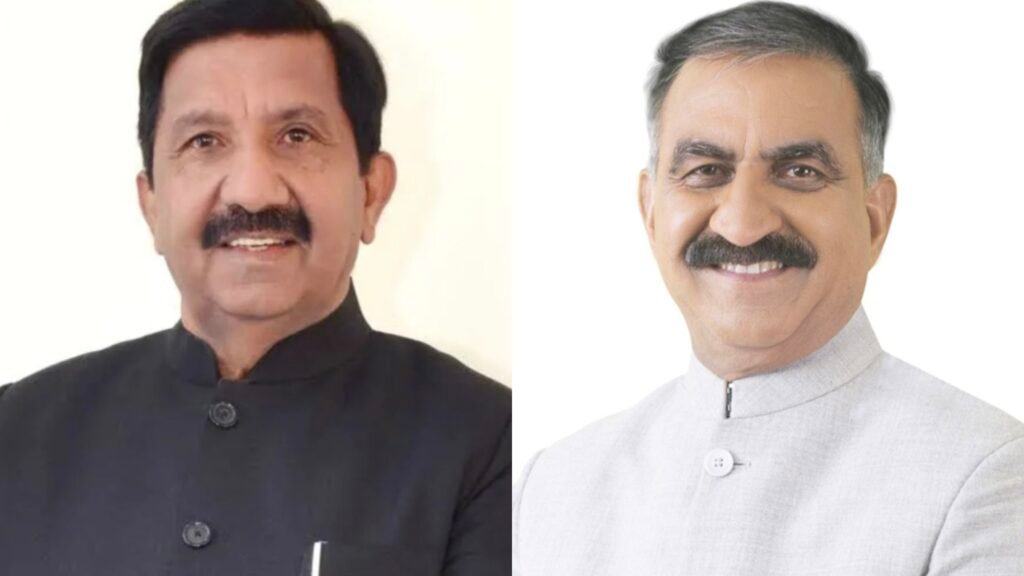
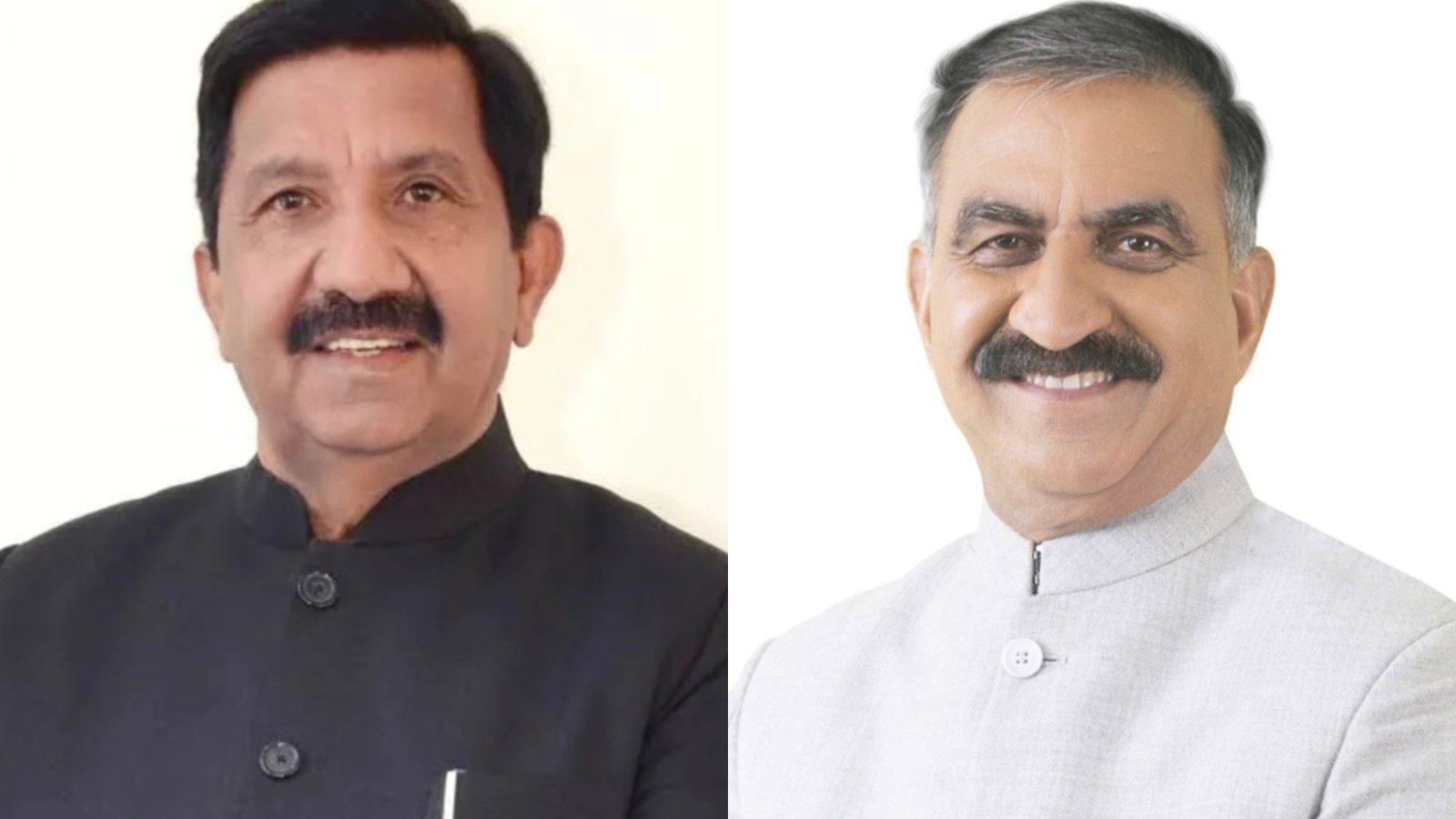
What has intensified the controversy is the personal relationship involved. The officer appointed as ADC is the son-in-law of Deputy Chief Minister Mukesh Agnihotri. While the government has not officially stated any deviation from rules, critics argue that the optics of the decision are deeply troubling and risk eroding institutional morale. In the rigidly structured IAS system, where seniority is traditionally respected, such an out-of-turn posting is being seen as an exception that demands a clear and transparent explanation.
Even if one assumes that the move was an administrative oversight rather than a deliberate act, its impact within the bureaucracy cannot be ignored. Senior officers, despite being a batch ahead, remain posted as SDMs in various districts, while a junior officer has been entrusted with a key position in the state capital. Such decisions, observers note, can breed discontent, demoralisation and a sense of injustice among officers who expect consistency and fairness in postings.
Questions are also being raised about the silence of institutional bodies. The IAS Association, which often becomes vocal on cadre-related issues, has not publicly flagged this apparent anomaly. Similarly, the state’s top administrative leadership, itself drawn from the IAS, has not clarified whether this deviation aligns with established norms or requires corrective action.
The political context makes the situation even more sensitive. Mukesh Agnihotri, in the past, had openly raised concerns about the functioning of IAS officers, same issue was recently raised by PWD minister Vikramaditya Singh, where he critically mentioned that IAS are not working as per the instructions and IAS from other states, particularly Uttar Pradesh and Bihar, accusing them of not working in sync with the political leadership. That stance had framed him as a leader demanding accountability and alignment from the bureaucracy. Against this backdrop, the perception that his own son-in-law has benefitted from an exceptional posting places him in an uncomfortable and contradictory position.
Critics argue that such instances of perceived favouritism may deliver short-term advantages to individuals, but in the long run, they weaken public trust and damage the credibility of the political leadership. Governance, especially in a hill state like Himachal Pradesh, relies heavily on administrative cohesion and mutual respect between political executives and career officers. Any signal that rules can be bent for personal relationships risks undermining that balance.
Chief Minister Sukhvinder Singh Sukhu finds himself in a particularly delicate position. Since assuming office, he has had to navigate internal party turbulence, including resistance from entrenched factions associated with the late Raja Virbhadra Singh’s political legacy. Despite these pressures, Sukhu has survived a series of political challenges, including a crucial trust test reinforced by the people’s mandate in subsequent by-elections, where voters returned Congress candidates to the Vidhan Sabha, reaffirming faith in his leadership.
In this context, the ADC appointment controversy threatens to distract from the Chief Minister’s larger battle to stabilise governance and assert authority within the party. Political observers are now asking whether the move reflects an isolated administrative lapse or forms part of a deeper pattern of parallel power centres attempting to assert influence within the government.
The question being quietly but persistently asked in political circles is whether Deputy Chief Minister Mukesh Agnihotri was merely a beneficiary of circumstances or an active player in a larger internal dynamic that complicates the Chief Minister’s effort to run a unified government. The appointment of his son-in-law has, fairly or unfairly, painted a broader canvas of suspicion and revived concerns about parallel decision-making structures.
For the people of Himachal Pradesh, the issue goes beyond one officer or one posting. It touches the core principles of transparency, equal opportunity and institutional integrity. How the government addresses this controversy—whether through clarification, correction or continued silence—will determine not just administrative morale, but also public confidence in the promise of clean and accountable governance.