

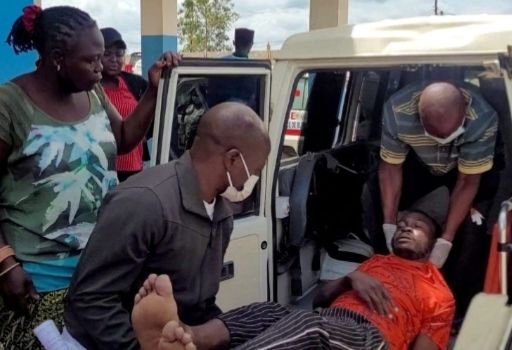
India has stepped up health surveillance and emergency preparedness measures following the resurgence of Ebola virus disease in parts of Central Africa, where the World Health Organization (WHO) has declared the outbreak a Public Health Emergency of International Concern (PHEIC). The outbreak, linked to the rare Bundibugyo strain of the Ebola virus, has raised concerns among global health agencies due to its cross-border spread, absence of an approved vaccine, and rising number of suspected cases and deaths.
According to WHO assessments, the outbreak is currently centered in the Democratic Republic of Congo (DRC) and neighbouring Uganda. Health authorities have reported hundreds of suspected infections and dozens of deaths, while concerns remain that the actual number of cases may be significantly higher because of underreporting, conflict-hit regions, and delayed detection.
The outbreak involves the Bundibugyo strain of Ebola, a rare form of the virus first identified in Uganda in 2007. Unlike the more common Zaire strain, against which vaccines and therapeutics exist, there is currently no licensed vaccine or specific treatment approved for the Bundibugyo variant. Health experts say this makes rapid detection, isolation, supportive care, contact tracing, and infection control the primary tools to contain transmission.
Indian health authorities, including the National Centre for Disease Control and the Ministry of Health and Family Welfare, are closely monitoring the evolving situation and coordinating preparedness strategies to prevent any possible importation of the virus into the country. Officials have reportedly intensified airport surveillance, especially for international passengers arriving from African nations or transit hubs connected to affected regions.
Public health experts in India have stressed that while the immediate risk to the country remains low, constant vigilance is necessary because of increasing global travel and interconnected international mobility. They point out that diseases once confined to specific regions can spread rapidly across borders if surveillance systems weaken or response mechanisms are delayed.
Enhanced screening at airports, thermal checks, travel history verification, and monitoring of symptomatic passengers are among the precautionary measures expected to be strengthened. Experts have also highlighted the importance of maintaining a robust laboratory network capable of quickly identifying viral haemorrhagic fevers and ensuring that hospitals are prepared with infection-control protocols in case of suspected cases.
The WHO has warned that the outbreak is unfolding in a complex humanitarian environment marked by conflict, displacement, weak healthcare infrastructure, and high population movement in eastern Congo. Health workers have also been among the victims, raising fears about gaps in infection prevention systems inside medical facilities.
International agencies have underlined that the outbreak does not currently meet the criteria of a pandemic emergency, but the declaration of a PHEIC reflects serious concern over the possibility of wider regional spread. Uganda has already reported imported cases linked to travel from Congo, increasing fears about transmission across borders.
Health specialists in India say the Ebola alert is also a reminder of the importance of global cooperation, transparent reporting, and strong disease surveillance systems. They believe lessons learned from the COVID-19 pandemic should encourage countries to invest more heavily in epidemic preparedness, emergency healthcare infrastructure, and coordinated international response mechanisms.
The outbreak has also renewed discussions globally about the importance of maintaining international public health partnerships and strengthening institutions capable of responding to infectious disease emergencies. Experts warn that delayed reporting, misinformation, and weak healthcare systems can allow outbreaks to escalate rapidly before containment measures are activated.
As the situation in Africa continues to evolve, Indian authorities are expected to remain on high alert, while public health agencies continue assessing risks and preparedness requirements to ensure the country remains protected against any potential spread of the deadly virus.