
A massive political mobilisation unfolded in New Delhi on Sunday as the Indian National Congress orchestrated a high-profile rally at Ramlila Maidan, dedicated to reaffirming its long-standing allegations of electoral malpractices against the ruling Bharatiya Janata Party. The event, which drew tens of thousands of party workers, activists, and supporters from across the country, resonated with the rallying cry “vote chor, gaddi chhod,” a slogan that has become emblematic of the Congress’s critique of the current political establishment and its claims of “vote theft” in recent elections. The gathering not only showcased the party’s organisational strength but also offered a prominent stage for leaders to articulate a broader critique of governance, democratic norms, and the future of India’s political landscape.
Rahul Gandhi, the Leader of the Opposition in the Lok Sabha and one of the primary faces of the campaign, delivered a forceful address that accused the central government and its allies of undermining electoral integrity. He leaned heavily on the “vote chor” narrative, arguing that the alleged manipulation and misuse of electoral machinery were not isolated incidents but a systematic attempt to weaken the voice of the electorate and entrench power. Speaking before the sea of supporters, Gandhi asserted that the fight was not merely a political contest but a struggle for truth and democratic accountability. He vowed that the Congress would persist in its efforts to expose what it considers deep-rooted irregularities and restore democratic norms if given the opportunity to lead again. This message seemed to strike a chord with the assembled crowd, who repeated the rally’s slogans with fervor.
While Gandhi’s address formed the rally’s emotional and political core, senior Congress leaders including party president Mallikarjun Kharge and veteran figures were also present, lending organisational weight to the event. Kharge’s presence underscored the party’s intent to project unity and solidarity among its leadership ranks. The campaign was further amplified by state Congress units that had mobilised workers from far-flung regions to be part of the demonstration, reflecting the national scope of the protest.
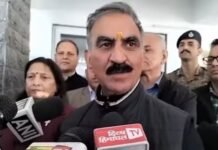
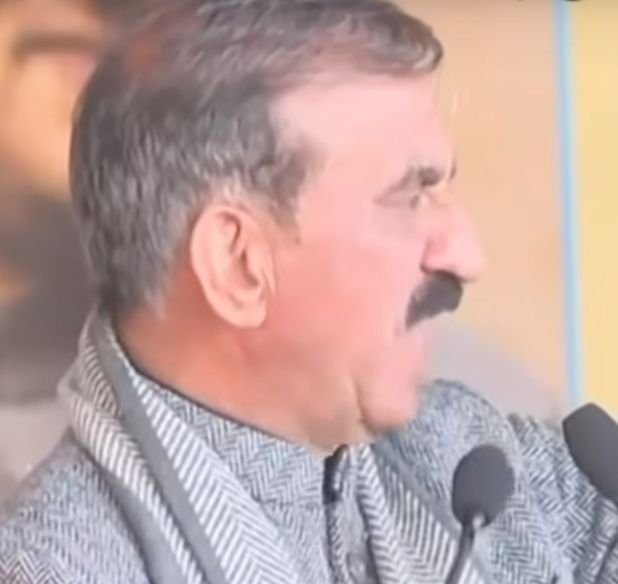
Against this charged national backdrop, Himachal Pradesh’s Chief Minister Sukhvinder Singh Sukhu emerged as a notable participant in the rally, bringing regional perspectives into a national platform. Sukhu’s presence signalled not only his personal endorsement of the Congress’s core message but also marked Himachal Pradesh’s deeper engagement with pressing national political debates. As one of the prominent leaders from the hill state present at the event, Sukhu addressed Congress workers with an impassioned speech that connected local governance experience with broader democratic principles.
In his address, Sukhu echoed the central theme of the rally by emphasising the foundational importance of a free and fair electoral process in a democracy. Drawing on his own experiences in state politics and governance, he reminded the assembled workers that the right to vote and the sanctity of the ballot are inviolable aspects of Indian democracy, hard-won through decades of struggle. Sukhu framed the “vote chor” slogan not simply as a political attack but as a call to defend electoral integrity against what he described as attempts to dilute popular sovereignty.
Sukhu’s remarks also touched upon the responsibilities of political leadership to uphold democratic values while implementing governance reforms that benefit common citizens. He spoke of the work his government in Himachal Pradesh has undertaken in areas such as social welfare, rural development, and transparency in administration, positioning these efforts as part of a larger commitment to responsive and citizen-centred governance. By linking the rally’s central message with concrete governance achievements, Sukhu sought to reinforce the idea that political engagement and policy implementation must go hand-in-hand.
The political reverberations of the rally were immediate. Opposition parties, including the ruling BJP, criticised the protests, dismissing the allegations and accusing the Congress of resorting to symbolic politics rather than substantive critique. BJP spokespersons argued that elections are conducted in adherence to constitutional norms and that unfounded allegations risk eroding public trust in democratic institutions. These reactions highlight the intensifying political contestation ahead of upcoming elections, with both parties seeking to shape narratives around legitimacy, accountability, and governance effectiveness.
For Congress workers present at the rally, the event served as both a reaffirmation of their collective purpose and a motivational boost for future campaigns. Volunteers from different states shared stories of grassroots mobilisation and articulated their belief that the party’s renewed focus on democratic rights could energise voters across demographic lines. Supporters expressed optimism that sustained advocacy and public pressure would yield electoral dividends, especially in regions where dissatisfaction with the status quo is palpable.
In the larger arc of Indian politics, the New Delhi rally represented a moment of assertive opposition positioning, with leaders like Rahul Gandhi and Sukhvinder Singh Sukhu steering the narrative toward democratic integrity and citizen empowerment. As political tensions continue to rise, the impact of this rally may extend beyond immediate headlines, shaping dialogues about electoral reform, democratic accountability, and the future direction of national governance in India.