
SP Chief Sharpens Attack on BJP, Projects PDA as a Wider Social Coalition and Calls for Unity Across Castes to Challenge the Ruling Party in Uttar Pradesh
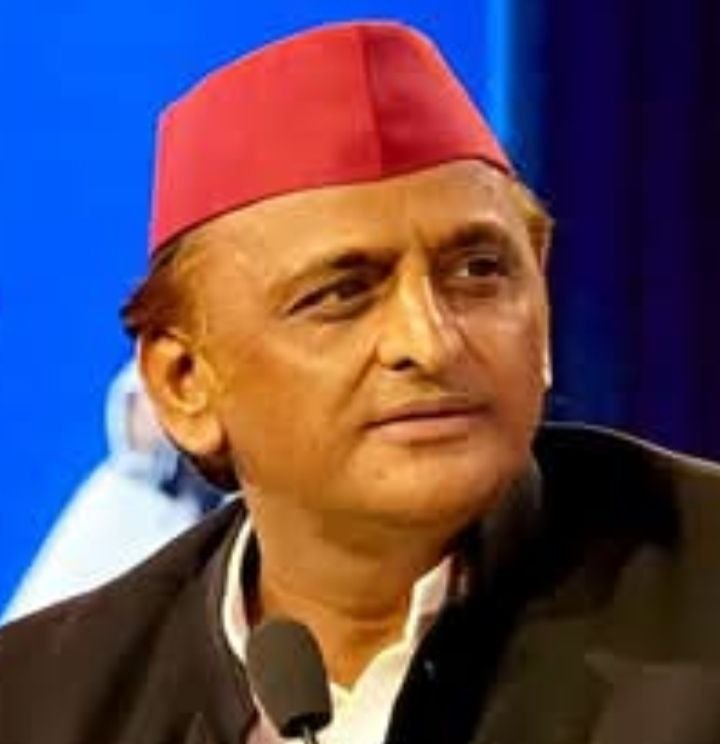
AGRA: Samajwadi Party president Akhilesh Yadav has set the political tone for the 2027 Uttar Pradesh Assembly elections, choosing Agra and a Dalit convention in western Uttar Pradesh to launch an assertive political campaign against the BJP. With a sharp attack on the ruling party, a strong appeal to Dalit voters and an emphasis on bringing different social communities together, the SP chief sought to present the PDA (Pichhda, Dalit and Alpsankhyak) coalition as the foundation of an alternative political force in the state.
The Agra gathering was more than a conventional party event. It reflected Akhilesh Yadav’s emerging strategy to make social unity, political representation and the dignity of historically marginalised communities central to his campaign for 2027. His message was clear: the BJP cannot be challenged merely through electoral arithmetic; it requires a broader social alliance in which Dalits, backward classes, minorities and other communities see themselves as equal stakeholders in political power.
Opening his address with a pointed reference to Union Home Minister Amit Shah’s ‘Angad’s foot’ remark, Akhilesh turned the metaphor into a political challenge to the BJP. Taking a dig at Shah, he remarked that if the BJP itself loses its political ground, where would it find a place to plant its foot?
He asserted that the BJP’s political position in Uttar Pradesh would weaken in 2027 and that the party would face a decisive electoral challenge.
His rhetoric was deliberately combative, but the larger political message was directed towards building confidence among communities that the Samajwadi Party believes have been marginalised under the present government.
Dalit Political Assertion Becomes Central to Akhilesh’s 2027 Strategy
One of the strongest themes of Akhilesh Yadav’s speech was his attempt to position the Dalit community not simply as a voting bloc but as a decisive political force capable of shaping the future government of Uttar Pradesh.
Addressing the gathering, he declared that Dalits would play a crucial role in defeating the BJP in 2027. His assertion that the Dalit community would lead the BJP’s political ouster was aimed at transforming what he described as growing social and political awareness into an organised electoral movement.
He said the Dalit component of the PDA had become increasingly confident and politically assertive. According to him, the BJP’s defeat in previous electoral contests had unsettled the ruling party, which was now resorting to political manoeuvres and conspiracies to weaken the emerging opposition unity.
Akhilesh also questioned the BJP government’s record on the treatment of Dalits, alleging that discrimination, atrocities and injustice against the community had increased during its decade in power.
Referring to National Crime Records Bureau (NCRB) data, he maintained that Uttar Pradesh had recorded the highest number of crimes against Dalits. He said the Samajwadi Party had repeatedly raised the issue and presented relevant figures before the government and the media.
His criticism sought to place social justice and the protection of constitutional rights at the centre of the coming electoral debate.
PDA: Akhilesh’s Attempt to Bring Different Communities Together
The larger significance of Akhilesh Yadav’s Agra address lies in his effort to expand the PDA beyond a political slogan and turn it into a wider social coalition.
The Samajwadi Party’s political calculation rests on bringing together backward classes, Dalits and minorities while simultaneously reaching out to other communities that may feel excluded from the present political and economic arrangements.
Akhilesh appears keen to move beyond the traditional caste-based political divisions that have shaped Uttar Pradesh’s electoral landscape for decades. His strategy is to build a platform where different communities can identify common concerns, including social dignity, equal opportunities, education, employment, economic security and political representation.
The emphasis on Dalit participation is particularly significant because the community remains an important factor in determining electoral outcomes across several regions of Uttar Pradesh. By giving Dalit empowerment a prominent place in his political messaging, Akhilesh is attempting to strengthen the SP’s social base and create a broader understanding of shared political interests.
His approach also carries a message for backward communities and minorities: political power should not remain concentrated within a limited social framework but should reflect the aspirations and participation of all sections of society.
Indirect Message to Smaller Parties and Political Rivals
Akhilesh also used the occasion to send a political message to parties and groups seeking to mobilise Dalit voters independently. Without directly naming Asaduddin Owaisi or Chandrashekhar Azad, he suggested that those aligning themselves with the BJP were effectively working against the interests of Dalit society.
The remark reflected the growing contest over Dalit political representation in Uttar Pradesh, where several political formations are seeking to establish their influence among communities that have historically played a decisive role in state politics.
For the SP chief, the challenge is not merely to attract Dalit votes but also to prevent the fragmentation of opposition support. His message was that social justice movements must translate into political strength rather than inadvertently benefit the BJP through a division of votes.
This is likely to remain an important aspect of the SP’s preparations as the 2027 Assembly elections approach.
BJP Faces a Wider Opposition Mobilisation Challenge
The Agra convention signals that Akhilesh Yadav wants the 2027 election to be fought around questions of social justice, representation, equality and the performance of the BJP government rather than allowing the contest to be dominated exclusively by religious polarisation or individual political personalities.
His attack on the BJP’s record on Dalit rights, combined with his appeal for broader social unity, suggests an attempt to reshape the political conversation in Uttar Pradesh.
For the Samajwadi Party, the PDA formula is also an effort to address one of its longstanding political challenges: expanding its support beyond traditional constituencies and establishing credibility among communities that have not always voted for the party.
The real test will be whether this proposed unity can be translated into sustained grassroots mobilisation, meaningful representation within the organisation and a credible political programme that addresses the everyday concerns of different social groups.
Akhilesh’s message from Agra was therefore both confrontational and coalition-oriented. While he directly challenged the BJP’s political dominance, he simultaneously sought to assure different communities that their interests could find a common platform under the PDA.
With 2027 approaching, the SP chief appears determined to make the election a larger battle over who represents Uttar Pradesh’s diverse social composition and whose political agenda offers a more inclusive future.
His central political proposition is that the BJP can be challenged effectively only when Dalits, backward classes, minorities and other sections of society come together rather than remain divided along competing social and political lines.
For Akhilesh Yadav, Agra may well mark the beginning of a campaign in which social coalition-building becomes as important as electoral campaigning itself.