
Saptrishi Soni
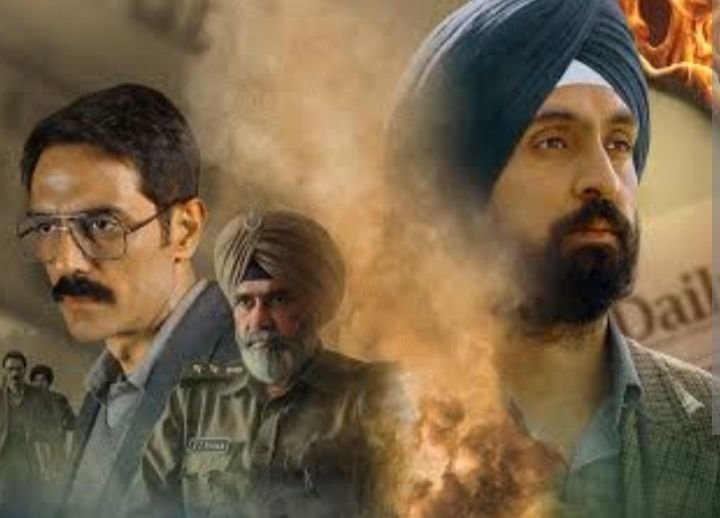
The debate surrounding the proposed film Satluj has expanded beyond a political disagreement, evolving into a wider discussion over Punjab’s history, collective memory and the portrayal of one of the state’s most turbulent periods.
Initially triggered by objections over the film’s reported narrative on the disappearance of thousands of people during militancy, the controversy has now drawn reactions from leaders across the political spectrum. Different political parties, despite their ideological differences, have expressed concern over ensuring that any depiction of Punjab’s past remains historically credible and sensitive to victims and their families.
Several voices have called for greater transparency regarding the film’s source material and historical claims. Suggestions have also emerged for an independent review involving historians, legal experts and representatives of affected families to examine contested narratives before the film reaches audiences.
The controversy reflects the enduring emotional impact of Punjab’s militancy era, where competing accounts continue to shape public debate decades later. Political observers say the issue has moved beyond cinema and entered the broader conversation about historical accountability, justice and reconciliation.
Supporters of greater scrutiny argue that artistic freedom carries a responsibility when dealing with painful chapters of history, while others caution against political interference in creative expression. The challenge, analysts say, lies in balancing freedom of expression with factual integrity and public sensitivity.
As the debate grows, the focus has shifted from partisan criticism to a broader demand that historical events be presented with accuracy, fairness and respect for those directly affected.