
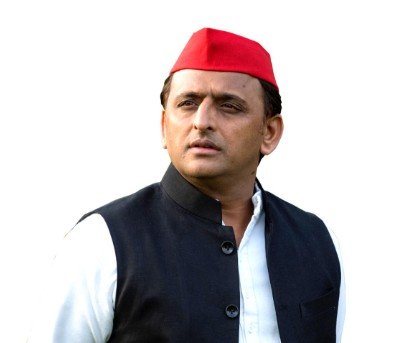
Akhilesh Yadav, the national president of the Akhilesh Yadav and a central figure in India’s opposition politics, has once again thrust himself into the political spotlight with a series of high-profile statements and strategic moves that underscore his ambition to challenge the ruling Bharatiya Janata Party (BJP) in key states such as Uttar Pradesh and West Bengal in the run-up to the 2027 assembly elections. In Chandigarh on Tuesday, Yadav emphatically stated that the opposition’s INDIA bloc remains unified and intact despite ongoing speculation about internal leadership changes and pressure from political commentators. His remarks came amid efforts by senior leaders from multiple opposition parties to assert cohesion within the alliance—a group that includes the Congress, the Aam Aadmi Party and other regional partners—aimed at presenting a collective front against the BJP’s dominance at both the state and national levels. The Samajwadi Party chief made it clear that his focus is not merely on preserving an alliance for its own sake, but on how that alliance can be strategically deployed to defeat the BJP in critical battlegrounds, particularly Uttar Pradesh and West Bengal, where electoral outcomes are expected to shape the broader political landscape heading into the 2029 general elections. Experts note that Yadav’s comments reinforce his role as a unifying figure intent on keeping disparate opposition factions aligned on a common agenda of contesting BJP policies and governance practices.
Yadav’s political momentum has been visible in other arenas as well. In recent weeks, he has taken a strong stance criticizing the BJP government’s performance on economic issues, asserting that the ruling party’s record on investments, job creation and public services is overstated and disconnected from the lived reality of citizens on the ground. During a visit to Fatehpur, he highlighted what he described as a lack of substantive job creation despite claims of economic progress, and raised concerns about rising cybercrime, electricity tariff hikes, and other issues affecting ordinary people. He also questioned the government’s transparency regarding a high-profile trade deal involving the United States, insisting that such deals must be fully disclosed and assessed for their impact on farmers, traders and laborers. These positions are designed to position the Samajwadi Party as a vocal critic of the BJP’s governance record, particularly in India’s most populous state, Uttar Pradesh, where Yadav previously served as chief minister and continues to wield significant political influence.
In an unconventional political gambit that has captured media attention, Yadav recently challenged BJP leaders by saying that if any of them could bring 100 legislators to his side, they could become the chief minister for a day—a symbolic yet provocative comment aimed at highlighting perceived instability and discontent within the BJP ranks while energizing his own base. This remark has drawn sharp reactions from the BJP, with party leaders dismissing it as unrealistic and emblematic of political insecurity, even as grassroots discussions have emerged about legislative loyalty and power dynamics ahead of the 2027 polls.
Yadav has not limited himself to electoral strategy alone. He has revisited cultural and communal issues, once commenting on a controversial legal case involving a prominent Hindu religious figure, which he described as politically motivated and used by the BJP to stifle dissent. Such interventions signal his attempt to broaden his appeal beyond traditional vote banks by engaging with symbolic and religious discourses that resonate with a wider demographic.
Political analysts view Akhilesh Yadav’s recent activities and public statements as part of a concerted strategy to solidify his leadership credentials, strengthen the INDIA bloc’s operational coherence, and lay the ideological groundwork for a vigorous challenge to the BJP in both state and national elections. As the 2027 assembly contests approach, particularly in Uttar Pradesh, Yadav’s role as a polarising yet charismatic opposition leader is expected to further shape the contours of Indian electoral politics.
This is a web generated news report.