

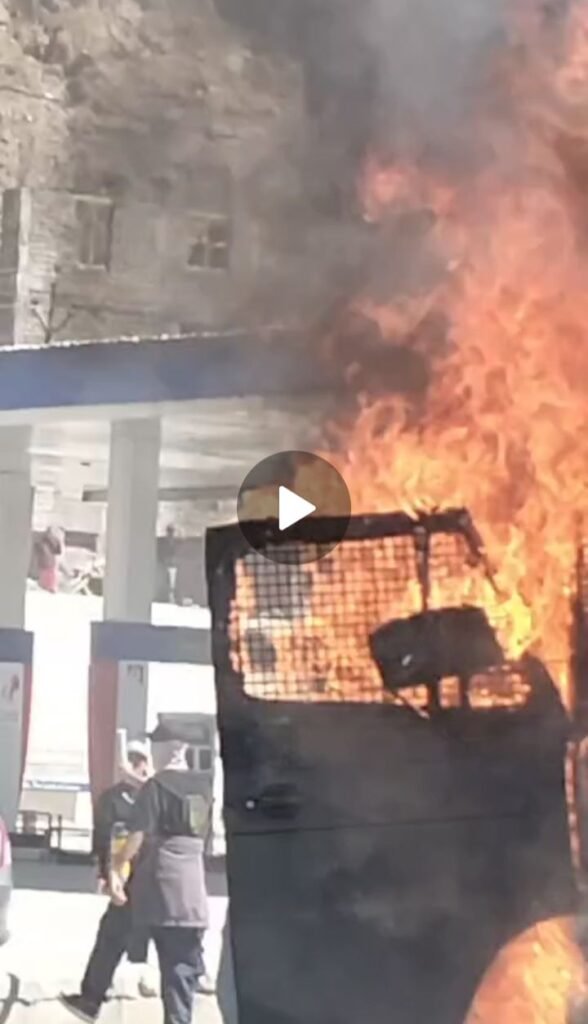
The picturesque town of Leh in Ladakh has been marred by violence, arson, and street clashes, leaving four people dead and over 70 injured, including 22 police personnel. The unrest was sparked by a long-standing demand for statehood and inclusion under the Sixth Schedule of the Indian Constitution, which protesters feel has been ignored by the government.
At the heart of the issue is a sense of betrayal and frustration among the people of Ladakh, who feel that their peaceful protests and demands for statehood have been met with apathy and disregard by the Centre. The situation has been building up over four years, with periodic hunger strikes and protests, including a recent 15-day hunger strike led by climate activist Sonam Wangchuk.
The violence erupted after a shutdown call was given by the Leh Apex Body (LAB) over the delay in holding talks with the Union government on their demands. Protesters targeted the BJP office in Leh, setting it on fire, and torched a police vehicle, prompting authorities to impose prohibitory orders under Section 163 of the Bharatiya Nagarik Suraksha Sanhita.
The government has announced talks with Ladakh representatives on October 6, but protesters are pressing for an earlier meeting. Omar Abdullah, former Chief Minister of Jammu and Kashmir, has expressed empathy with the people of Ladakh, saying they feel betrayed and angry, much like the people of Jammu and Kashmir who have been denied statehood despite peaceful protests.
Mehbooba Mufti, PDP president, has also condemned the violence and urged the Centre to address the root causes of the discontent. “It’s time the Government of India undertakes a sincere and thorough appraisal of what has truly changed since 2019,” she said.
The situation in Ladakh demands immediate attention and a peaceful resolution. The Centre needs to engage in meaningful dialogue with the people of Ladakh and address their demands to prevent further escalation of violence.¹ ²