
Saptrishi Soni
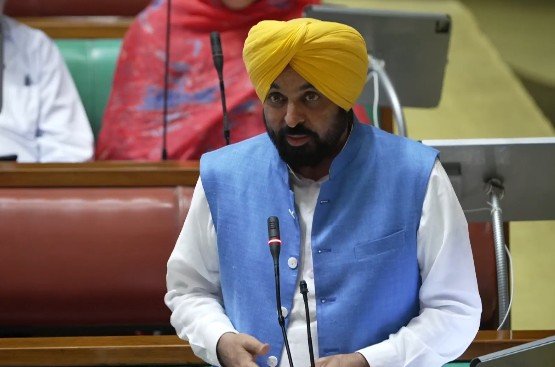
In a significant political development, the Punjab Legislative Assembly on Friday passed a confidence motion moved by Chief Minister Bhagwant Singh Mann, reaffirming the stability of his government at a time when speculation and political uncertainty had begun to intensify. The motion was adopted unanimously, though the outcome was marked by the conspicuous absence of members from major opposition parties, raising questions about both the process and the broader political climate in the state.
The confidence motion, introduced by the Chief Minister to demonstrate the continued majority support of his administration, was backed by all legislators present from the ruling party. A total of 94 members, including the Deputy Speaker, attended the session, while the Speaker, in accordance with legislative norms, did not participate in the voting. The motion was formally seconded by the Finance Minister, reinforcing the government’s position within the House.
However, the proceedings unfolded against a backdrop of high drama and confrontation. Members of the Congress, Bharatiya Janata Party, and Shiromani Akali Dal chose to remain absent during the vote, leaving only a handful of opposition representatives, including a legislator from the Bahujan Samaj Party and an Independent member, present in the chamber. Their absence has fueled debate over whether the motion, though technically valid, reflects a complete test of the government’s strength.
Chief Minister Mann, addressing the Assembly after the motion was passed, sought to dismiss concerns about instability, stating that his government remains firmly in control. He emphasized that misinformation and rumors have been circulating rapidly, often amplified in the current media environment, but insisted that the administration enjoys full confidence within the House. He also indicated that the resolution would be formally communicated to the President, underscoring its constitutional significance.
The session, however, was far from routine. Tensions escalated early when the Leader of the Opposition submitted a formal request to the Speaker, calling for drug tests of the Chief Minister and all legislators. The Speaker rejected the demand, triggering heated exchanges between treasury and opposition benches. The situation deteriorated further when disagreements arose over conduct inside the House, leading to sharp personal allegations and a breakdown in decorum.
The confrontation culminated in opposition members staging a walkout, effectively clearing the way for the ruling party to pass the motion without resistance. Critics argue that this sequence of events diminished the spirit of parliamentary debate, while supporters of the government contend that the opposition deliberately chose disruption over participation.
Beyond the immediate political contest, the Assembly also witnessed broader discussions on sensitive historical and social issues. Lawmakers across party lines raised concerns about past incidents involving religious desecration, calling for accountability and renewed investigations. Senior ministers suggested that unresolved cases from previous decades should be revisited, expanding the scope of debate beyond contemporary politics.
The Chief Minister, in his remarks, echoed this sentiment, arguing that if past incidents are to be scrutinized, then all significant historical events must be examined comprehensively. Other members urged the House to allocate more time for such discussions, reflecting the complexity and emotional weight of these issues in Punjab’s socio-political landscape.
From a procedural standpoint, the successful passage of the confidence motion effectively shields the government from facing another similar test in the near term, as legislative conventions typically prevent repeated confidence votes within a short interval. This provides the Mann administration with a crucial window of political stability, allowing it to focus on governance without the immediate threat of a floor test.
Nevertheless, the episode has underscored deep divisions within Punjab’s political framework. While the government has secured formal validation of its majority, the absence of opposition participation and the intensity of exchanges in the Assembly highlight a widening trust deficit. Observers note that such confrontations, if sustained, could impact legislative functioning and public perception alike.
As Punjab navigates a complex mix of governance challenges and political rivalries, Friday’s events stand as both a demonstration of numerical strength and a reminder of the fragile consensus required for effective democratic functioning.